The revised and newly-published Warm Homes Plan indicates large-scale support for electrification but leaves unanswered questions around rural, off-grid, oil-fuelled homes.

The revised and newly-published Warm Homes Plan indicates large-scale support for electrification but leaves unanswered questions around rural, off-grid, oil-fuelled homes.
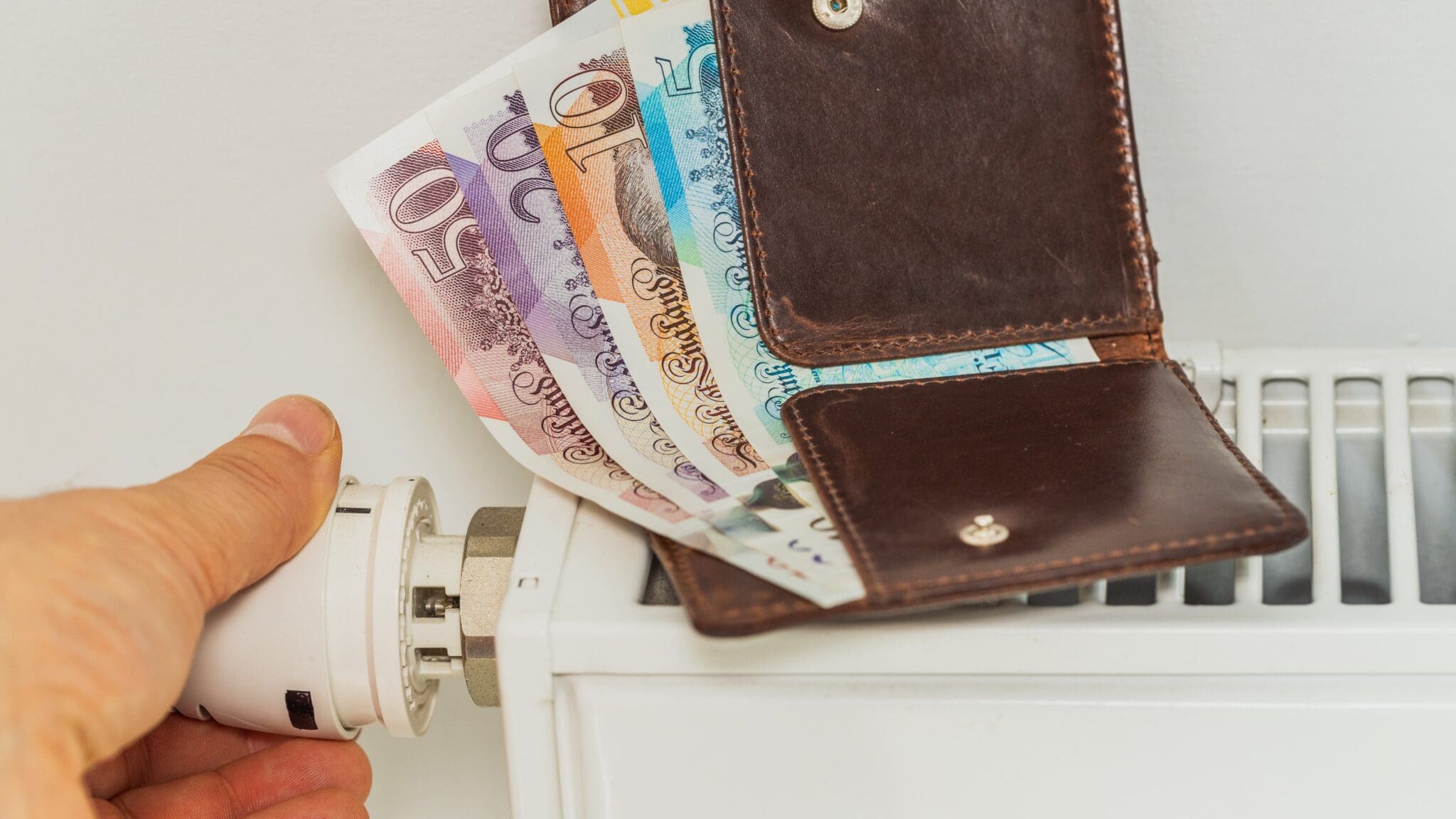
The UK government has published its long‑awaited Warm Homes Plan, setting out how £15bn of public funding will be used between now and 2030 to upgrade up to five million homes and reduce fuel poverty.
While the plan is framed around cutting household energy bills and carbon emissions, it also signals important changes for the wider domestic heating market – including off‑grid and oil‑heated homes.
The Warm Homes Plan brings together a range of grants, loans and regulatory measures aimed at improving the energy performance of existing homes and accelerating the transition to low‑carbon heating. It replaces the Energy Company Obligation (ECO) and consolidates support for insulation, heat pumps, solar panels and battery storage under a single programme.
The government says the plan could help up to one million households out of fuel poverty by 2030, while also supporting the UK’s legally binding climate targets.
The headline commitment is £15bn of funding across the current parliament. In England, this includes:
Separate funding will be allocated to devolved administrations in Scotland, Wales and Northern Ireland, which will determine how their share is delivered.
Alongside funding, the plan introduces tougher minimum energy efficiency standards for rented properties. From 2030, private and social landlords will be expected to meet higher performance thresholds, broadly aligned with EPC band C. Compliance will be assessed using a new Home Energy Model, replacing the current EPC methodology.
Future EPCs will be based on multiple metrics, including energy bills, heating demand and carbon emissions. While exemptions and spending caps are expected for hard‑to‑treat properties, the reforms are likely to encourage wider adoption of low‑carbon heating technologies in the rental sector.
Heat pumps sit at the centre of the Warm Homes Plan. The government’s target is for around 450,000 heat pumps a year to be installed by 2030, including both new‑build and existing homes. However, the plan does not set a firm end date for fossil fuel boiler sales and acknowledges the challenges of scaling up installations, particularly in older and harder‑to‑treat properties.
Hydrogen is mentioned only cautiously, with the government stating it is not yet a proven option for widespread domestic heating.
The Warm Homes Plan reinforces the direction of travel towards electrification, while leaving open questions about how off‑grid and oil‑heated homes will be supported through the transition. Many rural properties face practical and financial barriers to switching to electric heating, and the plan offers limited detail on transitional or alternative solutions.
As funding schemes, standards and assessment methods are developed over the coming years, their impact on off‑grid households and liquid fuel demand will become clearer.
Welcoming the publication of the Warm Homes Plan, Paul Rose, CEO of OFTEC, and Ken Cronin, CEO of UKIFDA, commented: “We share the government’s ambition to deliver affordable, low carbon heating solutions to reduce both energy bills and carbon emissions for homes and businesses.
“Our focus remains on the off-grid sector where we continue to work positively with policymakers. The government recognises that there are challenges for these harder to treat properties, particularly upfront cost, and that alternative solutions may be needed.
“We are pleased the government is exploring a renewable liquid fuel solution as part of its Alternative Clean Heating consultation which closes next month. These fuels provide a low cost transition, and immediate carbon reduction, for properties that may struggle with other technologies.
“This isn’t just our view. In the past few weeks we’ve seen nearly 5,000 oil heated households, from Cornwall, Wales to Scotland, respond to this consultation in support of renewable liquid fuels. There is a clear appetite for this approach. Even today, dozens of oil heating users in the village of Kehelland in Cornwall are driving up to London to meet with policymakers to share their experience of using renewable liquid fuels.
“We are fully aligned with the government’s ambition that no household is left behind. That’s why we stand ready to help bolster the Warm Homes Plan to ensure it delivers a fair and inclusive transition for all homes and businesses.”
A more detailed analysis of the Warm Homes Plan and its implications for the industry will appear in the Spring issue of Oil Installer.
© 2025 Created by Euromedia Associates Ltd