Increased incentives for electrification may mean that, for oil heating professionals, the strongest position may be to combine today’s oil expertise with tomorrow’s skills

Increased incentives for electrification may mean that, for oil heating professionals, the strongest position may be to combine today’s oil expertise with tomorrow’s skills
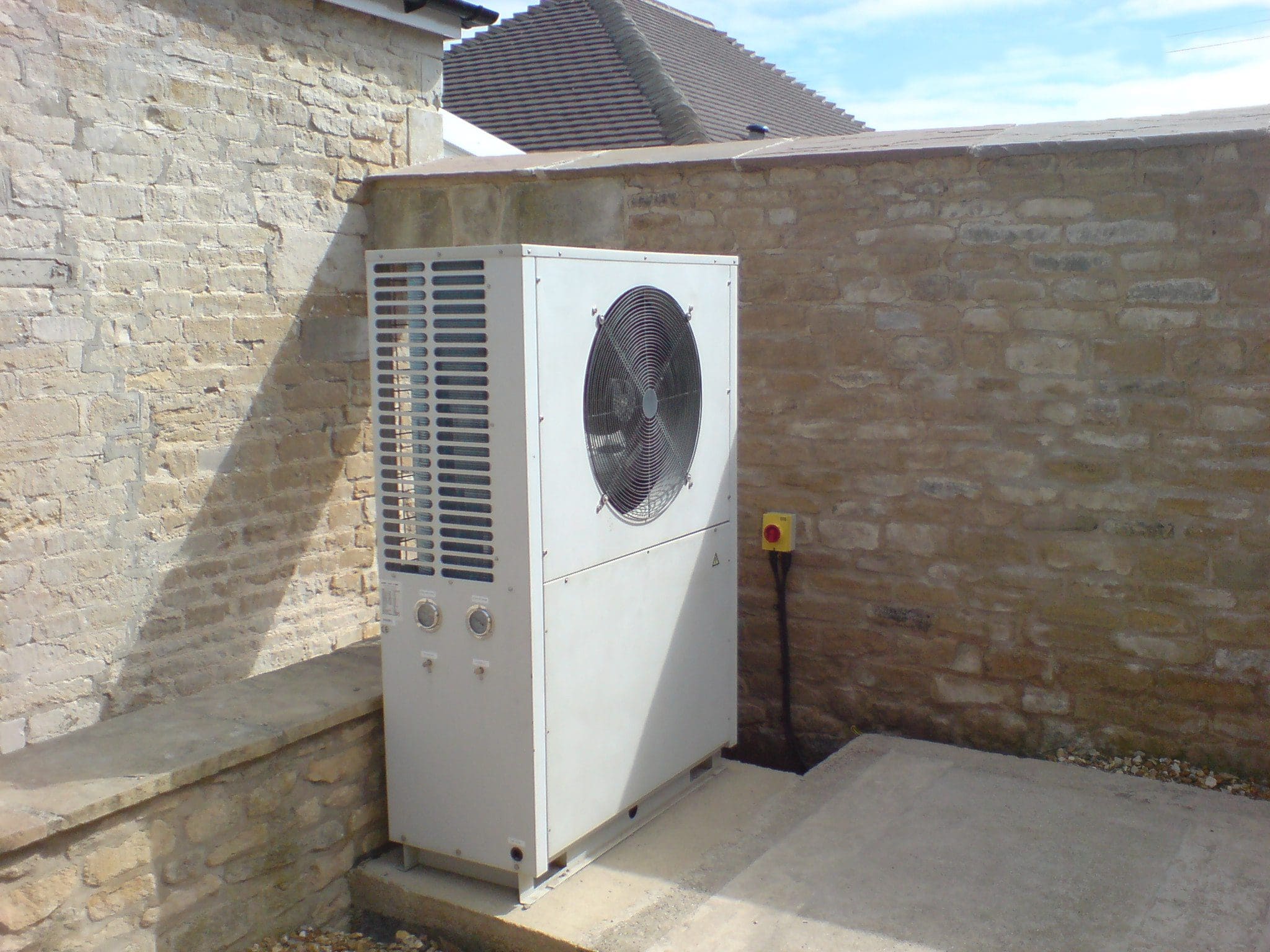
The government has announced that Boiler Upgrade Scheme grants for homes heated by oil or LPG will rise to £9,000, up from the previous £7,500 level. The move is another clear signal that off-grid heating policy is climbing the agenda, with ministers using higher incentives to encourage electrification in rural and oil-heated homes.
Just as importantly, the higher grant recognises that many rural off-grid homes face different challenges to urban properties on the gas grid. Older buildings, harder-to-treat homes, insulation costs, limited installer availability and higher upgrade costs can all make switching systems more complex. A larger, fuel-specific grant is an acknowledgement that a one-size-fits-all approach does not always work.
Trade bodies OFTEC and UKIFDA have long argued that rural households need practical, consumer-friendly pathways to decarbonisation. Both organisations have consistently highlighted the importance of choice, affordability and recognising the realities of off-grid homes, where heating decisions can be more expensive and more complicated than standard policy models sometimes assume.
Higher grants reduce the upfront cost barrier for households that may previously have ruled out a heat pump. That means installers working in oil-heated homes are likely to face more customer questions such as:
Trusted local engineers are often the first person customers ask.
While a £9,000 grant will improve the economics for some households, upfront costs are only part of the picture. For many off-grid homes, property suitability, radiator upgrades, hot water cylinder changes, insulation works and electricity supply upgrades may still influence decision-making.
Running costs also remain part of the debate, with analysts continuing to point to the relatively high cost of electricity compared with gas in the UK.
That means the success of the increase in influencing heat pump uptake may depend not only on grant levels, but also on future electricity pricing reform, practical installation routes and the range of solutions made available to consumers.
Without this consideration, UKIFDA and OFTEC suggest that “Unfortunately, it will therefore often be wealthier households who will most benefit from this increase in grant funding.”
OFTEC and UKIFDA said they want to see a broader range of lower-carbon options available enabling households to choose solutions according to their circumstances.
They argued that some households may need lower-cost transition routes that avoid the significant upfront costs associated with heat pumps, particularly where full electrification is not immediately practical.
Calling for the inclusion of renewable liquid fuels, such as HVO, they pointed to strong public engagement with the government’s recent consultation on alternative clean heating solutions for off-grid homes.
“There is a clear public appetite for this approach, demonstrated by 16,000 oil heated households responding to the government’s recent consultation in support of these fuels. We now need to see a formal government response which incorporates these fuels into the wider decarbonisation strategy.”
Many of the core skills in heating – system design, controls, fault-finding, commissioning and customer advice – remain valuable across both oil and renewable technologies. For technicians considering future-proofing their business, this strengthens the case for adding heat pump capability alongside existing oil expertise.
This is not an overnight switch. Millions of homes still rely on liquid fuel heating, and many properties may remain better suited to upgraded oil systems, hybrid solutions or a later transition timetable. Maintenance, breakdown and replacement demand will continue for years.
Professionals already working in off-grid homes understand rural properties, older housing stock, customer budgets and real-world heating needs. That knowledge is highly transferable when advising on broader heating options.
The direction of travel is clear: government support is increasingly favouring low-carbon heating. But the grant uplift also recognises that rural transition is harder and may need extra help. For oil heating professionals, the strongest position may be to combine today’s oil expertise with tomorrow’s skills – so you can help customers whichever route they choose.
Image from stock
© 2026 Created by Euromedia Associates Ltd