New survey finds that low-carbon heating is becoming central to how heating engineers make a living.

New survey finds that low-carbon heating is becoming central to how heating engineers make a living.
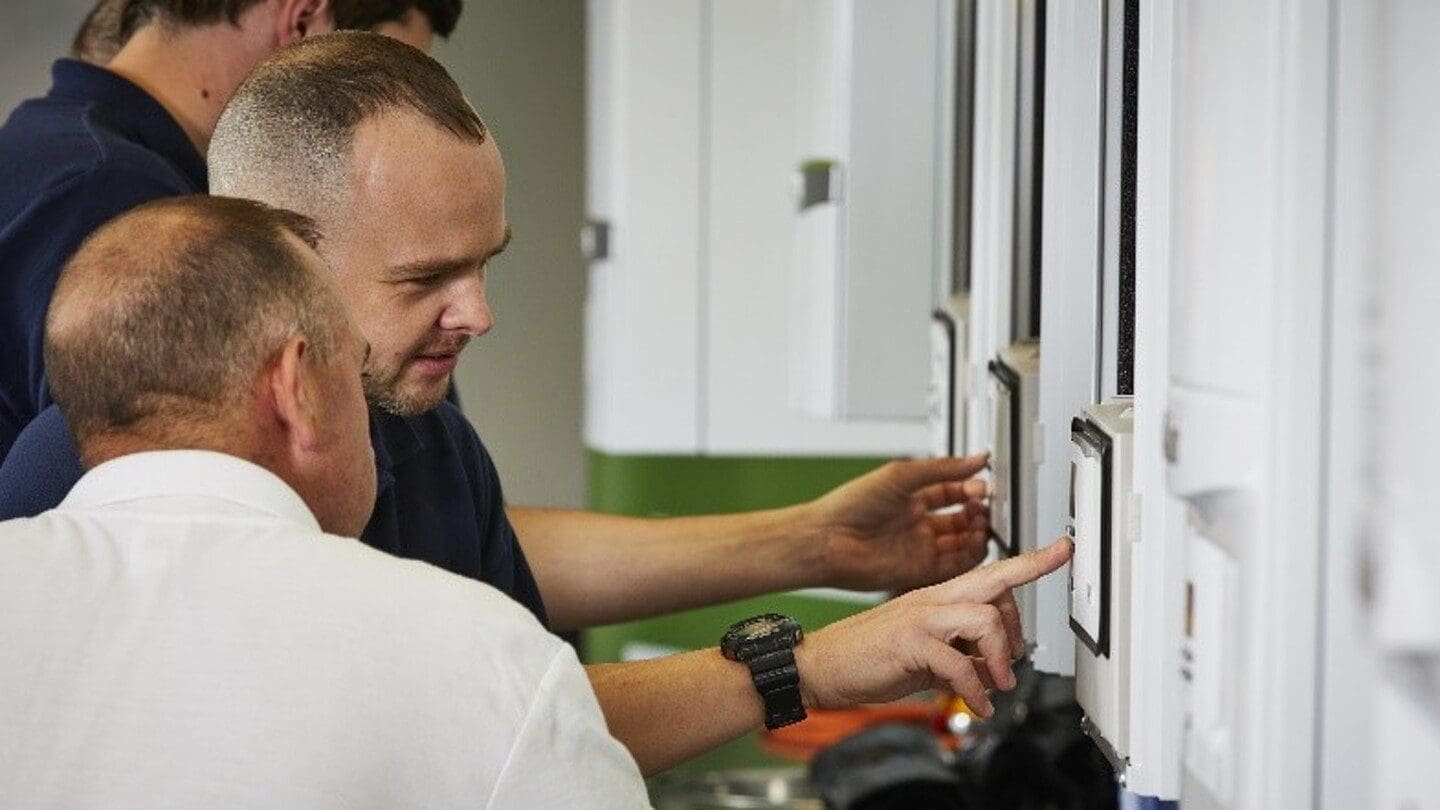
Low-carbon heating is expected to become an increasingly important source of income for heating engineers and installers, according to new research from Nesta.
Polling of 200 heating engineers and heat pump installers, carried out by Censuswide in March, found that one in four respondents expect between a quarter and half of their income to come from low-carbon heating by this winter. Overall, 70% said heat pumps are likely to account for between 10% and 50% of their revenue by the colder months.
The findings point to a market that continues to evolve, with growing opportunities for installers who broaden their skills across both traditional and renewable heating technologies.
Nesta said engineers who invest in training now could be well placed to benefit from rising demand, particularly during the spring and summer months when workloads can be more flexible.
Hands-on experience was identified as the most valuable route into learning new technologies, with 60% of those surveyed saying practical exposure to equipment such as heat pumps was the most effective way to build confidence before installation.
The organisation also highlighted the scale of the workforce challenge ahead, with Britain needing tens of thousands more trained engineers if annual heat pump installations are to reach 450,000 by 2030.
Madeleine Gabriel, director of sustainable future at Nesta, said: “Low-carbon heating is becoming central to how heating engineers make a living, so we need to make it easier for them to get hands-on with the technology, build skills that pay and feel secure as demand grows.”
For installers working in the oil-fired sector, the message is clear: existing heating expertise remains highly valuable, but expanding capabilities into heat pumps and other low-carbon systems could help future-proof businesses as customer demand and government policy continue to shift.
Image from stock
© 2026 Created by Euromedia Associates Ltd