The last twelve months have seen significant changes in the fuel supply industry. UKIFDA’s CEO, Ken Cronin, provides an update on recent developments.

The last twelve months have seen significant changes in the fuel supply industry. UKIFDA’s CEO, Ken Cronin, provides an update on recent developments.
The liquid fuel heating industry depends on a robust fuel supply sector. UKIFDA’s CEO, Ken Cronin, provides an update on recent developments.
The last twelve months have seen significant changes in the fuel supply industry. In April came the closure of the Grangemouth refinery in Scotland, redeploying some of the assets to create an import terminal. Ahead of this, late last year the closure of the associated regional hub Dalston in Cumbria was finalised.
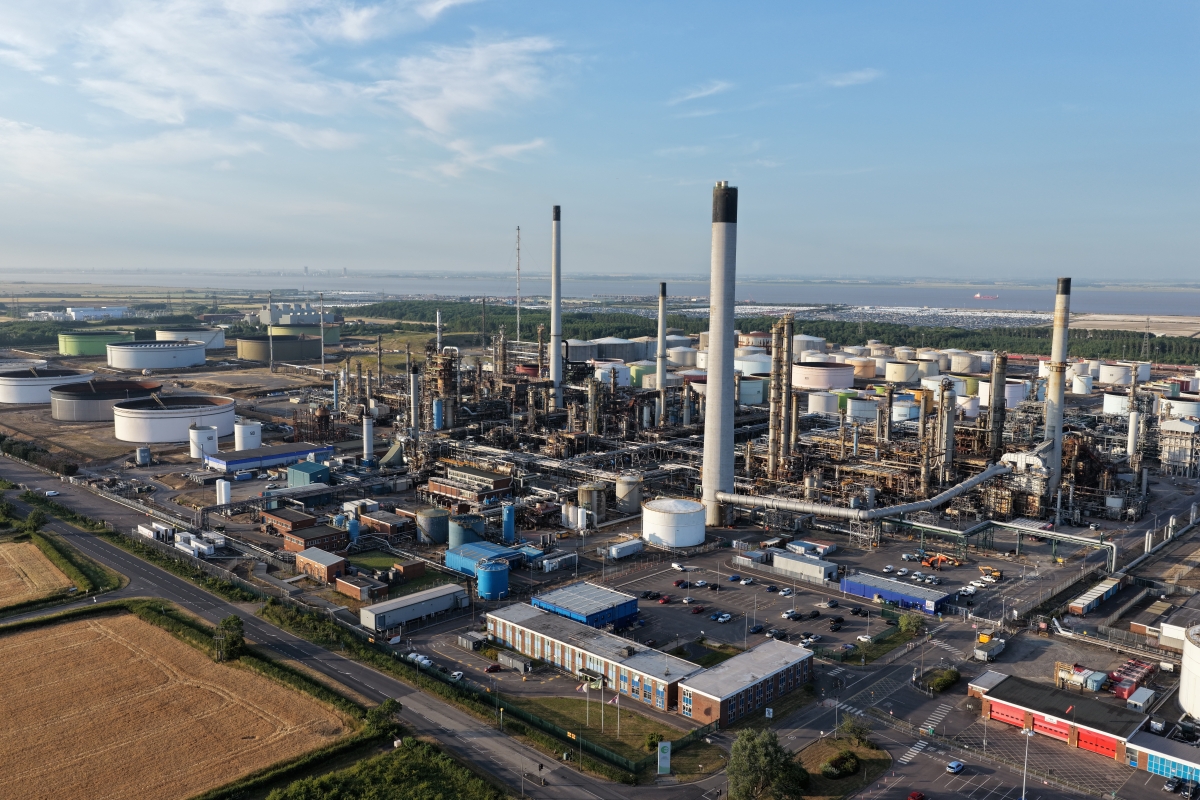
In a further blow to the sector, at the end of June came the news that the Lindsey Oil Refinery in North-East England was going into immediate liquidation, this was followed by two associated terminals.
First and foremost, our thoughts should be with the dedicated teams at the refineries and terminals who now face immense uncertainty.
Our industry is incredibly resilient. Despite facing extra miles, increased drivers’ hours, more complex logistics and significant investments, we have found a way through the previous challenges. However, the loss of Lindsey Oil Refinery (without any replacement) is significant. The facility provided c10% of the UK’s liquid fuel needs but on a regional basis the impact is much greater, especially given the previous announcements.
When the announcement around Grangemouth was made public, I urged the Government to manage the situation properly and called for a comprehensive and proactive approach to energy transition, rather than a drawn-out, fragmented response. The site could be converted to have a key role in the future supply of Sustainable Aviation Fuel (SAF) and HVO, which is a byproduct of the SAF production process.
However, the news regarding Lindsey is a hammer blow and we are now dealing with the triple impact of the closure of several facilities within a very short timeframe. This is not what you would describe as managed.
In the short term we are working with government and other sectors to ensure that a coordinated plan is in place to make sufficient fuel product available for our end users as we head into winter and sufficient supplies on our island to handle weather-related and unplanned operational disruptions.
Longer term, we need to replace the lost output from Lindsey and create a plan of what the next 20 years looks like.
Image provided by OFTEC
© 2026 Created by Euromedia Associates Ltd