Fire valves are an important feature on an oil installation for the detection of fire or overheating on the boiler and technicians should promote the benefits of fitting or upgrading oil supply pipes to include a remote acting fire valve.

Fire valves are an important feature on an oil installation for the detection of fire or overheating on the boiler and technicians should promote the benefits of fitting or upgrading oil supply pipes to include a remote acting fire valve.
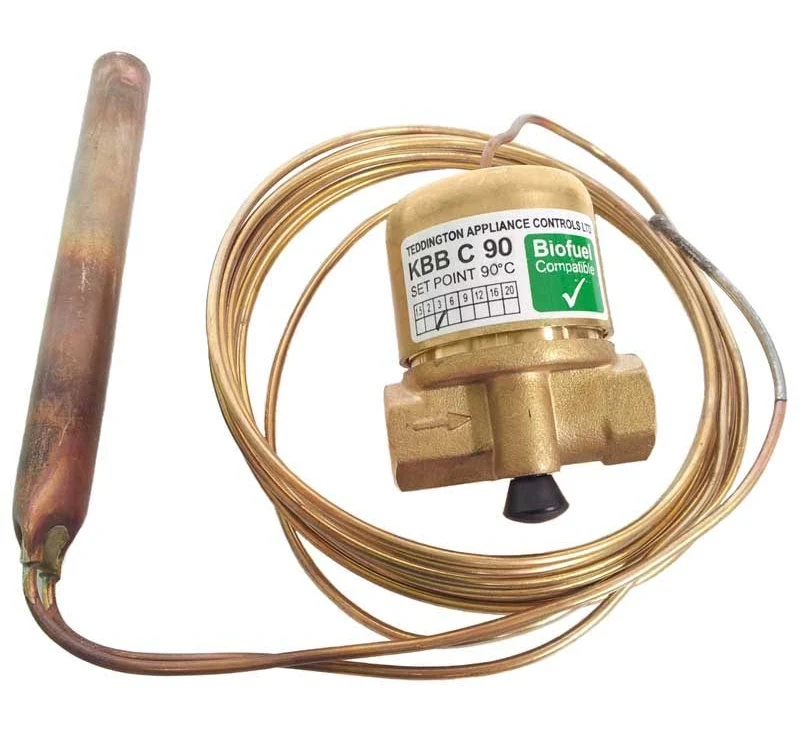
The installation requirements of remote acting fire valves are among the most frequently asked questions of the OFTEC technical department. This is especially the case when replacing an existing boiler and using an existing oil line which has a wheel head valve or no fire valve at all.
Fire valves are an important feature on an oil installation for the detection of fire or overheating on the boiler and technicians should promote the benefits of fitting or upgrading oil supply pipes to include a remote acting fire valve.
Furthermore, the technician is responsible for ensuring that all work carried out complies with the relevant standards and regulations. As a remote-acting fire valve sensor is an integral component of a boiler installation, a boiler cannot be installed without one.
Generally, a fire valve body is located external to the building; the capillary runs parallel to the oil pipe, and the sensor is located within the boiler casing. If an existing oil supply line is to be used and is inaccessible externally, a remote acting fire valve can be located internally. In this instance, the fire valve should be installed at the point where the oil line is first exposed internally, with the sensor located in the usual manner.
This does not necessarily create a compliant means of installation but serves to improve an existing non-compliant situation.
Image provided by OFTEC
© 2026 Created by Euromedia Associates Ltd