With fuel theft on the increase, this article explores some simple measures that may improve security and deter would be thieves.

With fuel theft on the increase, this article explores some simple measures that may improve security and deter would be thieves.
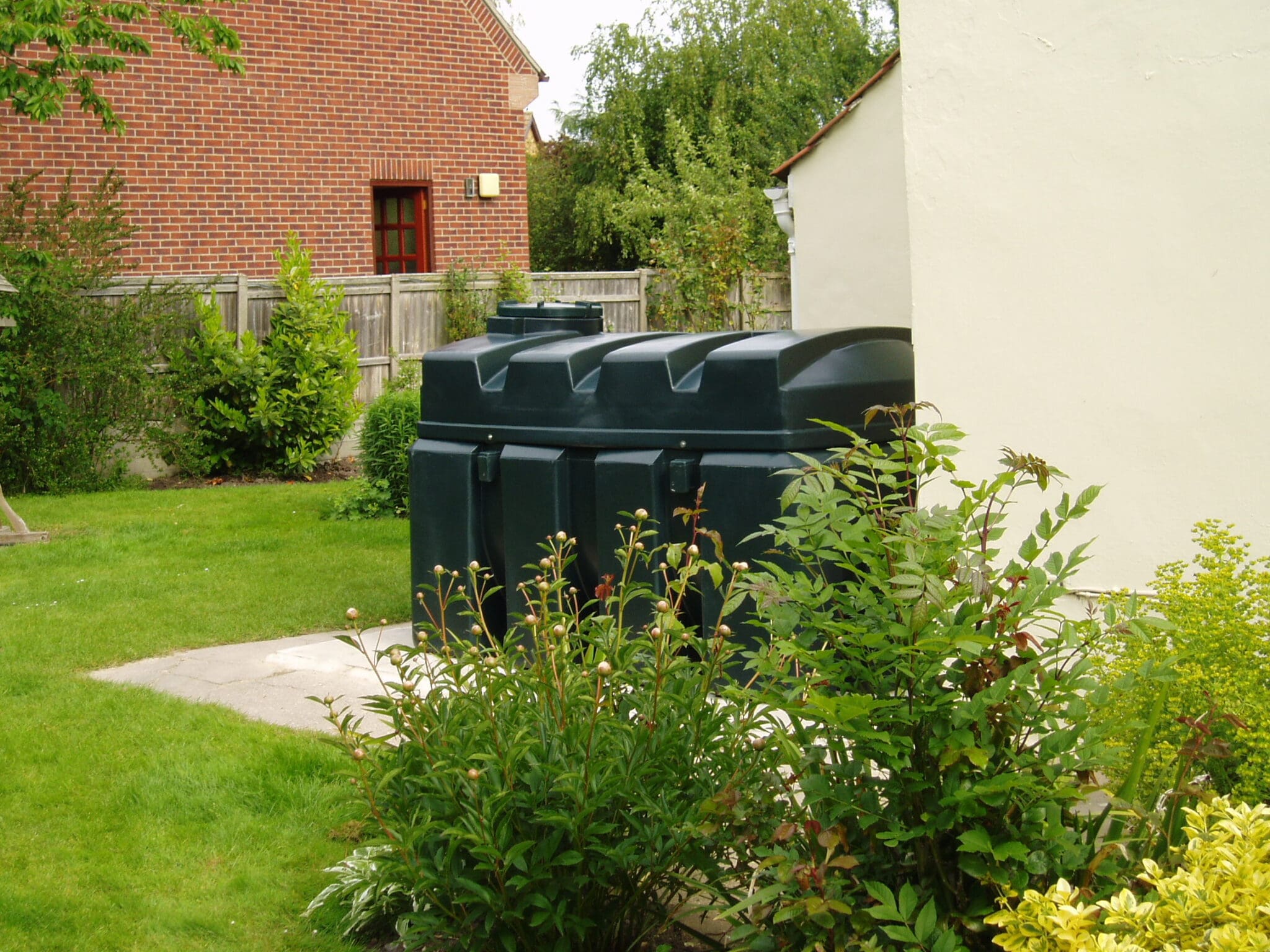
With ongoing issues in the Middle East and the inflated price of kerosene, customers are concerned about tank security and minimising the chances of fuel theft.
Thieves typically have a complete disregard for property adopting a ‘get in and get out quickly with whatever they can’ attitude. In some cases, we hear thieves have taken what they could carry, leaving remaining fuel pouring on the ground. This article aims to highlight simple security measures, whilst considering any unintended consequences.
It is understandable that people do not want to see oil tanks, but sometimes a tank visible from the house is enough for thieves to move on. Whilst we are not suggesting you try and convince customers to move existing tanks, it could be worth mentioning on replacement that tanks in view also tend to be better maintained, which minimises environmental risk.
If a tank is not readily visible, CCTV and/or lighting triggered by movement could be a cost effective and simple to apply solution. The aim is preventing theft. Signage suggesting that ’this tank is monitored’ may just be enough to encourage thieves to go elsewhere.
Many electronic gauges are available. Some may be linked to a local alarm at the tank, whilst others can be linked to mobile phone applications. Technology developed to detect leaks and sudden drops in content serve to warn that something is amiss with the tank. As above, signage could avert problems before they start.
Screening the tank from view may offer some protection from opportunists. Consideration needs to be given so as not to hinder filling, prevent inspection, or compromise operation or maintenance of any valves and filters.
Some commentators advocate growing shrubs or thorny plants around tanks. Maintaining screening of this nature should not be underestimated as tanks often become overgrown, breach separation distances of 600mm to foliage and create hazards for fuel delivery personnel. In worst cases, refusal to fill the tanks will occur because the tank condition cannot be confirmed.
To coin a phrase, ’locks only keep honest people honest’. Fill point locks offer quite a passive means of securing a tank and may suggest that the tank has significant contents. Locks pose a risk of holes being bored in the tank or the supply pipe being cut. Both result in an uncontrolled flow of fuel being released from the tank and fuel going to ground.
As a final thought – it’s worth your customer checking their insurance provision for tanks and contents.
© 2026 Created by Euromedia Associates Ltd