
Future Ready Fuel campaign update

“We may not yet achieved full policy support for renewable liquid heating fuels, we are still part of the conversation and there are many reasons to remain positive.” Latest update on the Future Ready Fuels campaign.
OFTEC and UKIFDA: Working on behalf of the industry

Malcolm Farrow, OFTEC’s Marketing and External Affairs Director, shares two recent instances of the work of industry trade bodies OFTEC and UKIFDA.
Heating oil investigation: what did the CMA find?

Claims that heating oil suppliers were profiting from sharply rising prices prompted a high-profile competition investigation earlier this year. Its conclusions paint a rather different picture – but changes to consumer protection are still likely to follow.
Energy crisis update: Impacts for heating oil users

Reduced oil exports through the Strait of Hormuz region – a critical shipping route for oil tankers – has had an inevitable knock-on effect on prices.
Oil and water don’t mix!
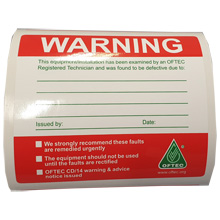
A good oil service technician should not only service the engine of the heating system – i.e. the boiler – but also check the fuel supply.
Filling out documentation: Who’s responsible?
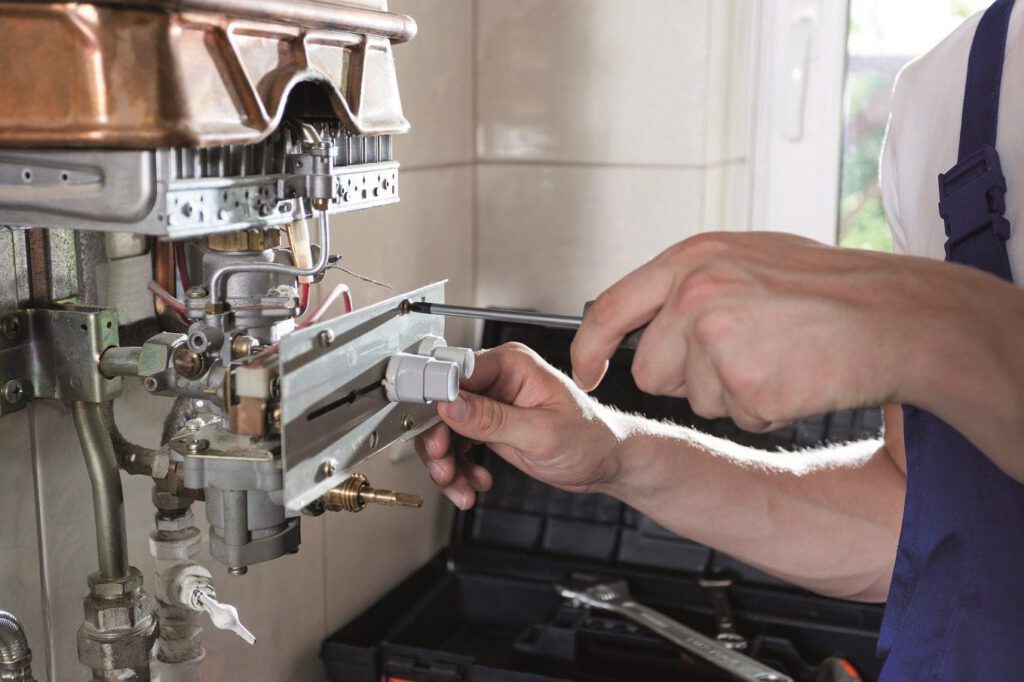
Who should be filling out what documentation? The answer ultimately comes down to what was agreed in the scheduled contract of works.
Understanding fire valve installation requirements

Fire valves are an important feature on an oil installation for the detection of fire or overheating on the boiler and technicians should promote the benefits of fitting or upgrading oil supply pipes to include a remote acting fire valve.
Mandatory Technical Competencies (MTC) released

The MTCs set out the knowledge, skills and behaviours required of members of Self-Certified Schemes, helping to create a more consistent approach across the sector.
Reduce energy costs with Warmflow’s AA-rated combi oil boiler

The manufacturer’s Warmflow Agentis Combi is the only AA-rated combi oil boiler available in the UK and Ireland, and is engineered to maximise every litre of heating oil.
Changes to Boiler Upgrade Scheme (BUS) come into effect

The changes focus on expanding eligibility, improving flexibility for installers, and strengthening consumer protections.
OFTEC’s rollout of the redeveloped MCS installer scheme, a turning point for renewable installers
With OFTEC now offering access to the redeveloped Microgeneration Certification Scheme (MCS) installer framework, businesses across the heating and renewables sector are facing a pivotal moment.
The global energy crisis – what you need to know

The American and Israeli attacks on Iran and Lebanon have sent markets around the world into turmoil and triggered significant energy price rises. Heating oil has been particularly badly affected. Here we explore why that has happened, what it means for our industry, and what advice you need to give your customers.
An update on Ireland’s Renewable Heating Obligation (RHO)
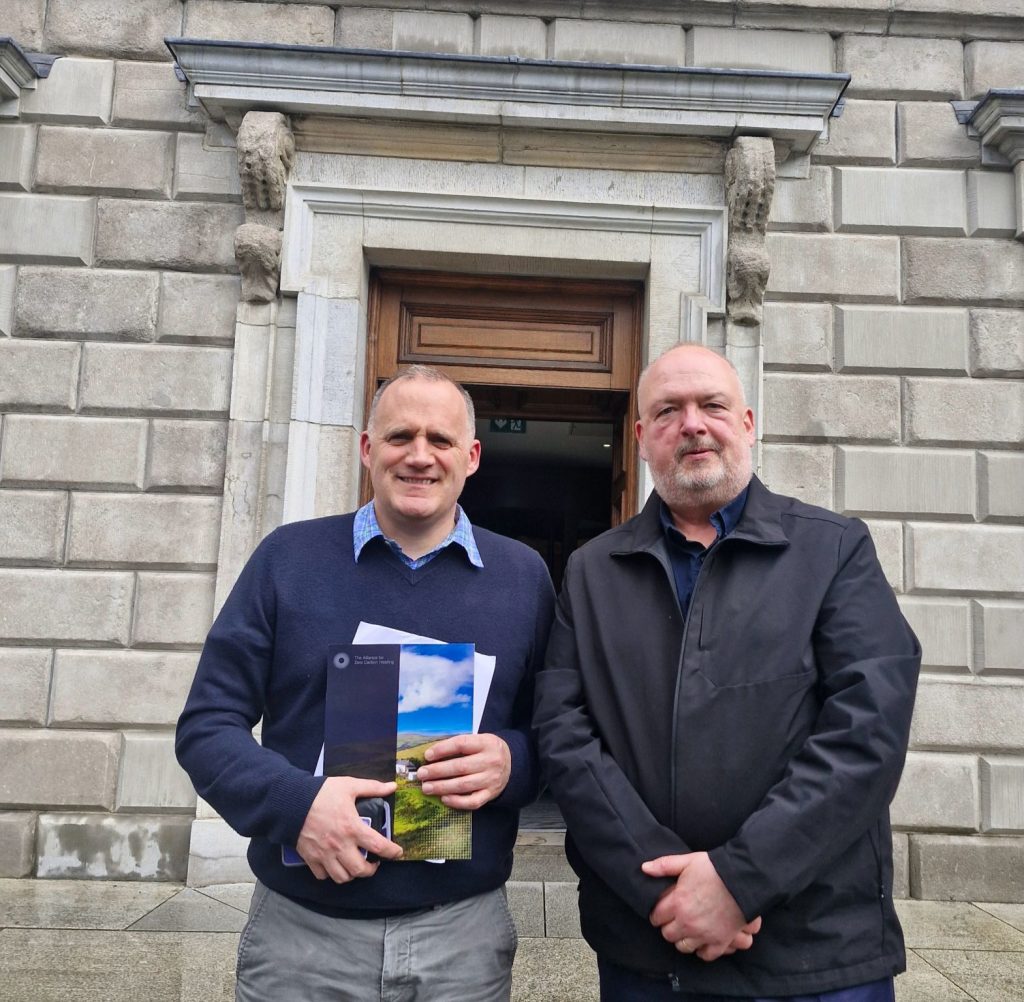
This is a great opportunity for the liquid fuel sector, currently providing home heating oil for over 700,000 homes in the Republic of Ireland.
Future Ready Fuel campaign –summer update
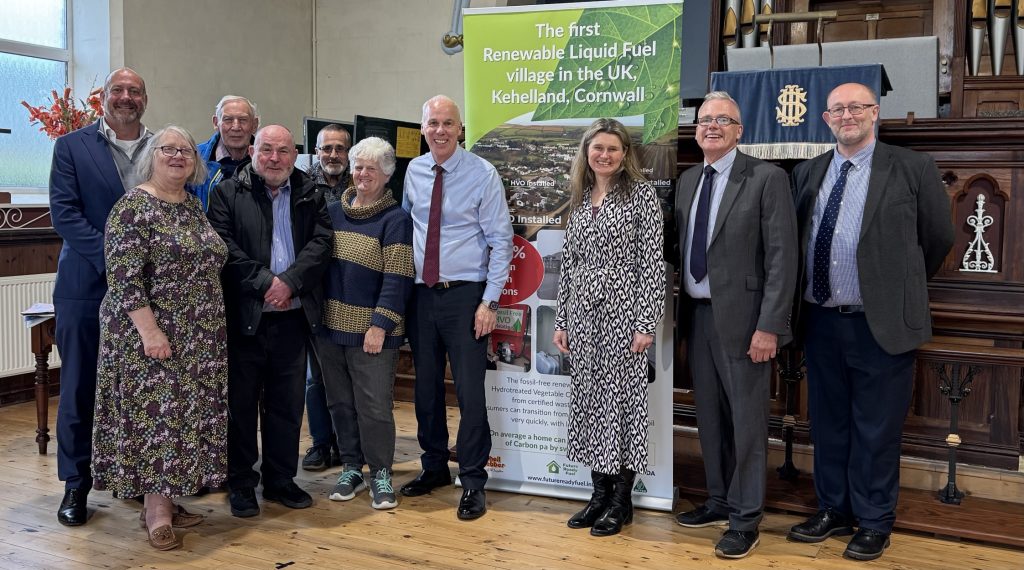
The extraordinary public response to the Government’s consultation on alternative low-carbon heating solutions, produced almost 16,000 supportive responses for the introduction of renewable liquid heating fuels. This was a huge win for the Future Ready Fuel campaign. The Government has not yet responded to the consultation, but it’s hoped that the level of support will persuade it to take the policy steps needed to introduce a 20% blend of HVO very quickly. In a positive development, fuel suppliers Michell and Webber hosted officials from DESNZ, who met residents from Kehelland in Cornwall to find out more about the HVO demonstration project and hear first-hand their views about decarbonising rural off-gas grid buildings. It’s extremely unusual for civil servants to meet ordinary citizens in this way and can be seen as a positive development, directly linked to the consultation response.However, the official stance of DESNZ remains focussed on electrification. OFTEC and HHIC recently sent the DESNZ Minister Martin McCluskey a joint letter, making the case for hybrid systems and renewable liquid fuels. In his reply, the Minister stated that: Regarding heat pump use and building suitability: “We expect most properties, including those off the gas grid, will ultimately switch to standalone heat pumps as these are a proven technology and have been installed in high numbers in other countries. However, we recognise that for a small number of homes, a standalone heat pump may not be feasible.” Regarding technologies and grant funding: “…the Government wants to direct the funding available towards the technologies that offer the greatest carbon savings and a complete transition for the home in question, rather than those which would continue to involve the burning of fossil fuels and leave further cost and disruption required subsequently.” Regarding the potential role of hybrid heat pumps with liquid biofuels: “If hybrid heat pumps are to play a long-term role in the decarbonisation of complex-to-decarbonise buildings off the gas grid, the fuel used by the boiler element must be net zero-consistent.” This suggests that the UK Government doesn’t currently see off-grid buildings as an area needing special treatment, nor does it wish to consider options that offer anything other than a complete decarbonisation solution. It expects most existing oil heated households to adopt a heat pump, regardless of how expensive or disruptive it is, and irrespective of the views or preference of the owner. While this does not appear to give much reason to be hopeful, we know from previous experience that the Government will stick with its official policy position right up until the point when it announces a change. It’s unlikely that civil servants would have visited Kehelland without a good reason and the Government will certainly be well aware of the strength of feeling demonstrated by the consultation response. That means it will also understand the risk of alienating rural support if it doesn’t change track. Under normal circumstances we would be campaigning vigorously to push for this change. However, the current fuel crisis and the risk of negative publicity have led us to adopt a more low-key approach. OFTEC and UKIFDA are continuing to work behind the scenes, engaging with rural MPs and civil servants to push the case for renewable liquid heating fuels. Many MPs have been supportive, and we think there’s still good reason to be cautiously optimistic. Image provided by OFTEC
Thousands of tradespeople may be under-insured for tool theft
Insurance is easy to overlook and many underestimate the true worth of equipment accumulated over years.